The Capybara

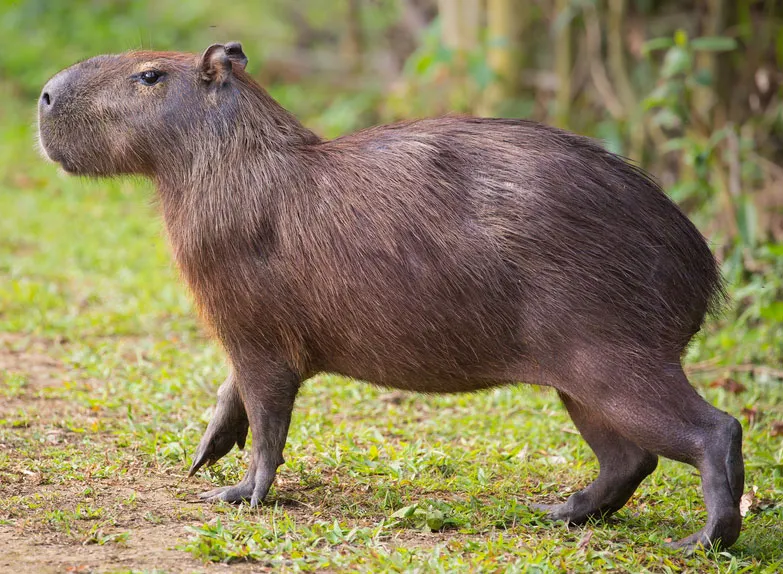
The largest rodent, friend to all, and nature's chair. Here we'll delve into the inner workings of capybaras. Who they are, where they live, what they eat and their overall temperament. Capybaras bring joy to everyone around them and they deserve to be held to high esteem.

Learn More

Largest Living Rodent

You thought the beaver was a rodent of unusual size? The capybara is twice that big—the biggest rodent on Earth. They can grow up to about 1.3 metres (4.3 feet) long and weighing up to 79 kg (174 pounds).

Etymology

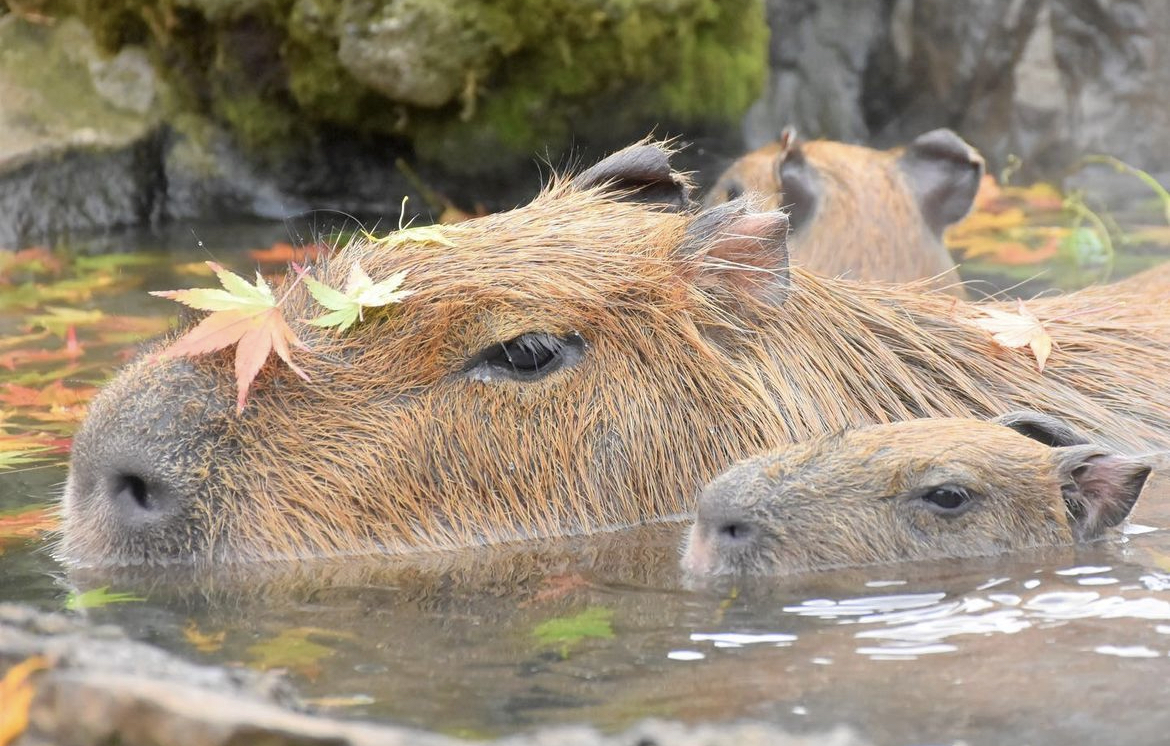
Its common name is derived from Tupi ka'apiûara, a complex agglutination of kaá (leaf) + píi (slender) + ú (eat) + ara (a suffix for agent nouns), meaning "one who eats slender leaves", or "grass-eater". The scientific name, both hydrochoerus and hydrochaeris, comes from Greek ὕδωρ (hydor "water") and χοῖρος (choiros "pig, hog").

Description

Capybaras are short-haired brownish rodents with blunt snouts, short legs, small ears, and almost no tail. They resemble the cavy and the guinea pig.

Classification

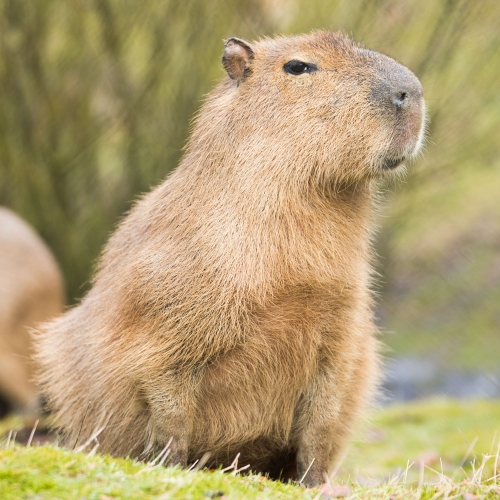
The capybara and the lesser capybara both belong to the subfamily Hydrochoerinae along with the rock cavies. The living capybaras and their extinct relatives were previoysly classified in their own family Hydrochoeridae.

See Below

Greater Capybara

The greater capybara is in the same genus as the lesser capybara, but adult proper capybaras tend to weigh much mrore than the lesser capybara. They can weigh up to 200 pounds!

Lesser Capybara

The lesser capybara closely resembles the capybara but adult lesser capybaras typically weigh up to about 62 pounds. This species is reported to be common in Panama, but rare in Venezuela.